
Thinking through Music and the Arts

Overview
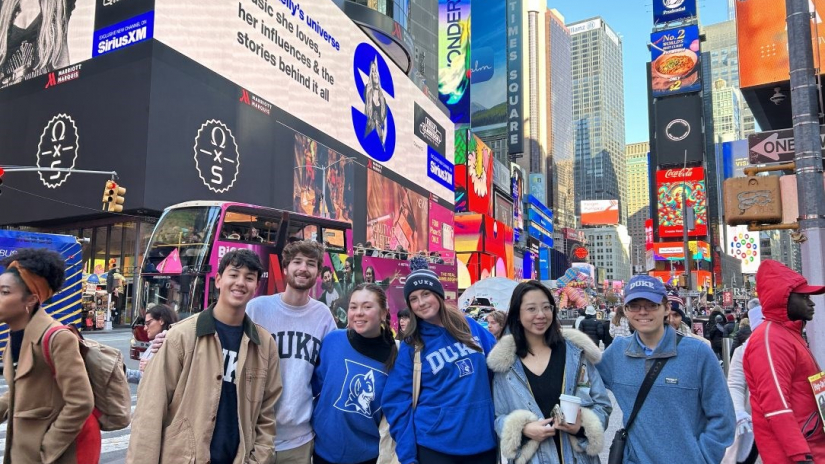
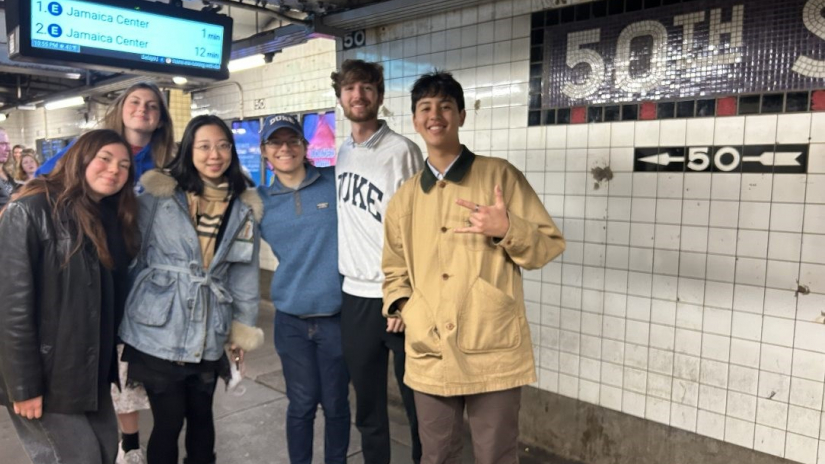
Immersion in the Duke departments and programs in music and the arts is an important backdrop for this new Focus cluster that brings artists and musicians to the classroom, as well as taking students to performances in music, theatre, film, and visual arts. The opportunity to combine research, writing and performance will allow students to begin their Duke career in a robust and profound fashion. Courses include lectures in global musical traditions, musical & artistic identities and entrepreneurship, conducting, ethnomusicology, instrumentation, composition, choreography, fine arts from historical and contemporary perspectives, theatre, documentary studies and film, and dance. The IDC seminar will include integrated dinner discussion and participation in events hosted by Duke Performances.
Courses
Music 191FS/Neuroscience 115FS - Music, Meanings, and the Brain (HI, NW)


Yana Lowry, Assistant Director, FOCUS Program
Edna Andrews, Nancy & Jeffrey Marcus Distinguished Professor; Professor of Linguistics and Cultural Anthropology; Faculty Member of the Duke Institute for Brain Sciences and Center for Cognitive Neuroscience
The search for meanings in musical works occupies a central theme in music studies. The composer’s intentions, social and political circumstances, and the score itself are all part of the broader search for meaning and level of impact of a given work for individuals and cultures at large. Drawing from the latest research in neuroscience, musicology, linguistics and semiotics, this course seeks to understand how musical meanings are constructed, as well as how interpretations of artistic works are negotiated and made by naive listeners and scholars.
Music 190FS: Vocal Music: Story and Connection (HI)
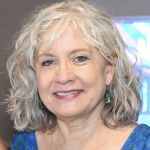
Elizabeth Byrum Linnartz, Instructor of Music
Vocal music tells stories with the languages of music, the spoken word, and human gesture and expression. This Focus course takes a flyover view of the history of vocal music from chant to Broadway and samples the repertoire at live vocal music events and recordings of historic performances. Students learn to listen, write about, and discuss the meaning of music, as well as connect with one’s own singing in group voice instruction and rounds. Explore a topic of your choice in a final presentation.
Theater Arts 190FS- MOVEMENT, NEUROPLASTICITY, AND HEALTH-The Feldenkrais Method (CE)

Jody McAuliffe, Professor of the Practice of Theater Studies and Slavic Language and Literature
Are you interested in learning how to reduce pain and anxiety, cultivate vitality, and improve performance in any area of your life? In this course, I will teach Awareness Through Movement—a system of body-awareness and lessons developed by Moshe Feldenkrais--designed to expand students’ possibilities for new movement patterns that are more comfortable, efficient, and useful. Students can anticipate improvement in posture, vision, imagination, and personal awareness. The Feldenkrais Method is a form of body work combining, science, art, expression, and function. Feldenkrais was an Israeli engineer, physicist, inventor, martial artist, and student of human behavior. The Method uses movement in a variety of ways to enable actors, athletes, musicians, dancers, and all movers to explore motivation and action, and other movement concepts: spontaneity, compulsion, resistance, and cross motivation. It focuses on the fundamentals of human functioning and developing potential, enabling students to travel beyond their habits in ways they may not have been able to envisage otherwise. The Method also asks all students to become more aware of how they learn. In addition to lessons, we will read and discuss Feldenkrais’ seminal text, The Elusive Obvious, and selected excerpts from other texts. Students will keep a learning journal, documenting their progress.