
Humanitarian Challenges






Overview
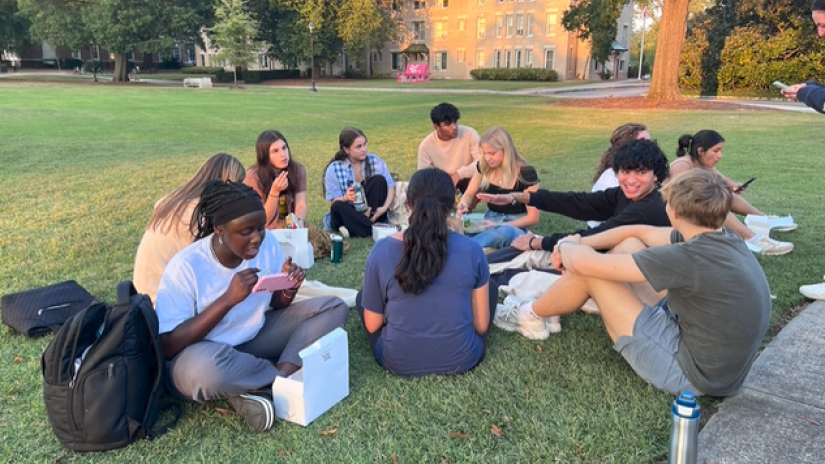
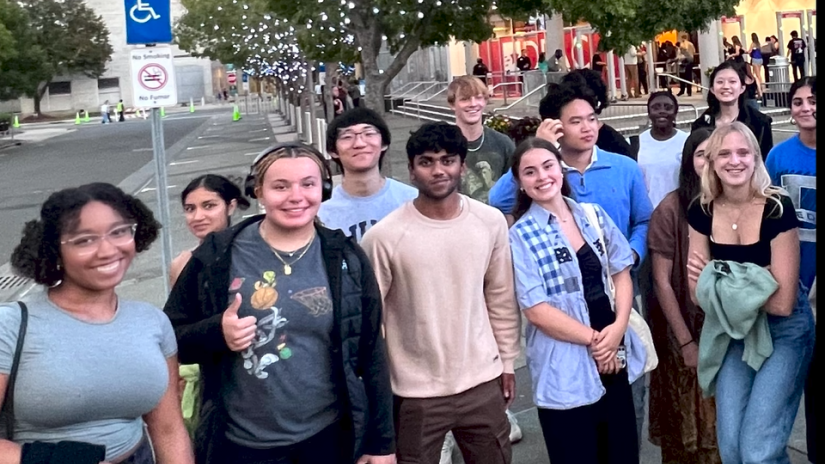
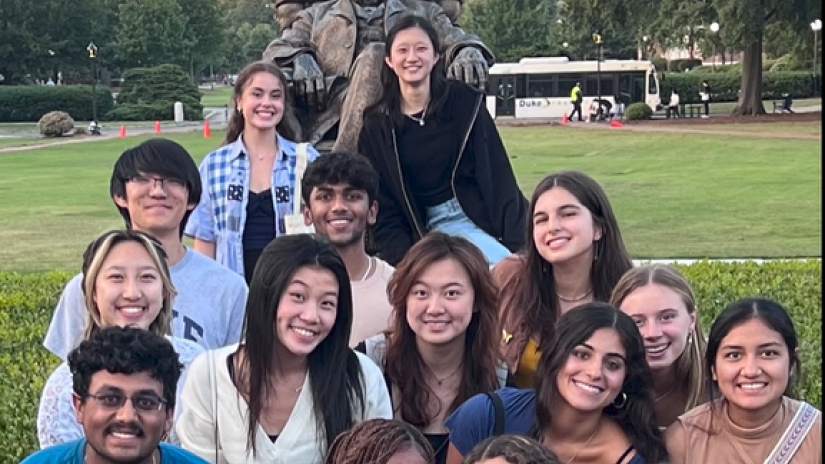
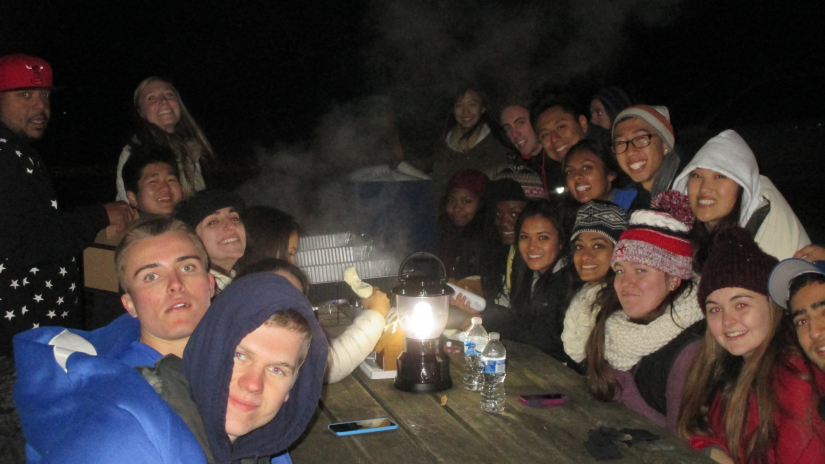
The Humanitarian Challenges Focus seminars introduce students to global citizenship, the challenges that face societies in our contemporary world, and approaches of both thought and action that address these challenges. "Humanitarian" by definition implies promoting human welfare, social justice, and human rights, and "challenges" refers to the obstacles that block the achievement of those ideals. Working together within individual seminars in class, and across courses during our shared evening events, we’ll gain an appreciation of ties that bind us to people in other contexts and societies. The lives of great humanitarian activists in history revive our faith in the future as we confront environmental hazards, threats to human dignity, social inequality and global health crises. Our sources range from focused academic readings in the disciplines referenced, to poetry, music, film, spiritual texts, and biography. Throughout our courses and weekly programs, we will explore means of advocacy, modes of dissent, routes of reflection, models of civic mobilization, and possibilities for change. The seminars of this cluster range from learning to advocate for change through effective communication skills, exploring the traits and ideologies of great leaders in societies experiencing crisis or transition, investigating issues of identity and belonging, and understanding the importance and limitations of language in the pursuit of a better comprehension of the world around us. In grappling with the challenges presented to us as humanitarians, we forge an intellectual family and a compassionate community that, as one student put it, ‘thinks critically about thematically-related issues which make us better people and better global citizens.’
Courses
Cultural Anthropology 114FS - MAKING YOUR CASE: Advocacy for Change (IJ)

Ingrid Bianca Byerly, Humanitarian Challenges Focus Director and Senior Lecturing Fellow: Writing/Cultural Anthropology/Public Policy
How did Mandela defuse an audience of critics with a single speech, transforming himself from prisoner to Stateman? How did Marc Anthony convince a crowd who wanted to assassinate him for the murder of Caesar that they wanted him as their Emperor instead? How do great speakers change minds, or inspire humanitarian action? Effective advocacy is essential in achieving philanthropic goals. This course will explore the theoretical and practical elements of advocacy through public speaking; especially in relation to pressing humanitarian challenges. We focus on global crises and causes, to identify not only your own desires for change, but for the way in which to ‘make your case’ for change. While the focus is on efficient communication (both in large public speaking environments, and in smaller interactive exchanges), stress is also given to ethics in decision-making, considerations of cultural sensitivity and awareness of global codes of conduct. In developing compelling arguments, thoughtful considerations have to be given to both spoken and written expositions that will have potential effects on others. Emphasis is placed on inter-cultural sensitivity, variable codes of conduct, and the human dimensions of the communication process; vocal intonation, body behavior, audience evaluation, focus, control, distraction, and self-awareness. Advocating for change explores public advocacy, empowering students to speak up for causes they care about. Tracing different forms of activism across diverse eras and cultures, the course explores the mechanics of successful social movements, including effective public speaking strategies, cultural nuances, and personal charisma. The course is geared towards students interested in entering the public or political arena, those interested in investing their skills and passions in humanitarian ventures, and those spearheading initiatives towards global change. It emphasizes self-reflection and growth, and you may find the most important things you learn about will be yourself.
Psychology 215FS - The Psychology of Crime: Scientific and Public Perspectives (SB)

Miriam Ehrensaft, Associate Professor in Psychiatry and Behavioral Sciences
Introduction to theories of criminal behavior from developmental and psychological perspectives, with focus on scientific and public perspectives. Investigate risk and protective factors influencing the development of delinquency and crime, systemic and sociocultural factors, ethical controversies, and applied topics in criminal behavior. Students critically evaluate, synthesize, and debate cases in context of current empirical research. Interactive learning emphasized. Open only to students in the Focus Program.
Linguistics 125FS Sociology/International Comparative Studies - Languages, Margins, and Borders: Representations, Practices and Policies (SB)

Gareth O. Price, Visiting Assistant Professor in the Linguistics Program
This course examines the relationships between language and contemporary migration patterns that – directly or indirectly – affect millions of people across the globe, focusing especially on migration flows related to humanitarian challenges. Divided into three key themes, it analyzes the representation of migrants and migration in media and culture; language practices of migrants, including translanguaging and language learning; and policies towards migrants and their languages that pertain to governance in linguistically diverse societies. Interdisciplinary in approach, readings are drawn from linguistic anthropology and sociolinguistics, as well as political sociology and public policy studies.
SPRING SEMESTER | WRITING 120: We Are What We Eat? (WR)

Rhiannon Scharnhorst, Senior Lecturer of Thompson Writing Program
Mark Menjivar's photo essay “You Are What You Eat” (Gastronomica, Fall 2012) captures diverse refrigerators alongside brief household biographies, reflecting Brillat-Savarin's insight that our food choices reveal our identity. Food practices are shaped by history, culture, and gender dynamics. This course explores how personal identity intertwines with food history, emphasizing women's contributions to food traditions. Through feminist scholarship in anthropology, history, and rhetoric, we'll examine how food symbolically defines who we are. Course components include regular writing assignments to develop your critical voice, a collaborative research essay exploring feminist food history, and a student-designed class exhibit for the library titled "We Are What We Eat." Throughout the semester, you'll engage with diverse food writers, conduct primary research, and create work for public audiences while developing essential writing and analytical skills.
SPRING SEMESTER | WRITING 120: Memory and Resistance in Latin American Film (WR)

Sandra Edith Sotelo-Miller, Lecturing Fellow of Thompson Writing Program
Since the late 19th century, cinema has played an important role in shaping how people in Latin America understand history, identity, and culture. Films from the region often confront issues such as colonial legacies, dictatorships and state violence, the War on Drugs, migration, and social justice movements.
In this course, students will analyze how Latin American filmmakers engage these themes and consider questions such as: How does cinema construct or challenge official histories? How can film reimagine the past or offer counter-narratives to dominant historical perspectives? And how do films shape collective memory?
Through film analysis, seminar discussion, presentations, and writing assignments, students will develop skills in critical observation, research, and argumentation. Writing workshops and peer review will help students refine their ability to analyze films, engage secondary sources, and communicate their ideas clearly for both academic and public audiences.